
Why Energy Prices Matter for Multifamily Investors
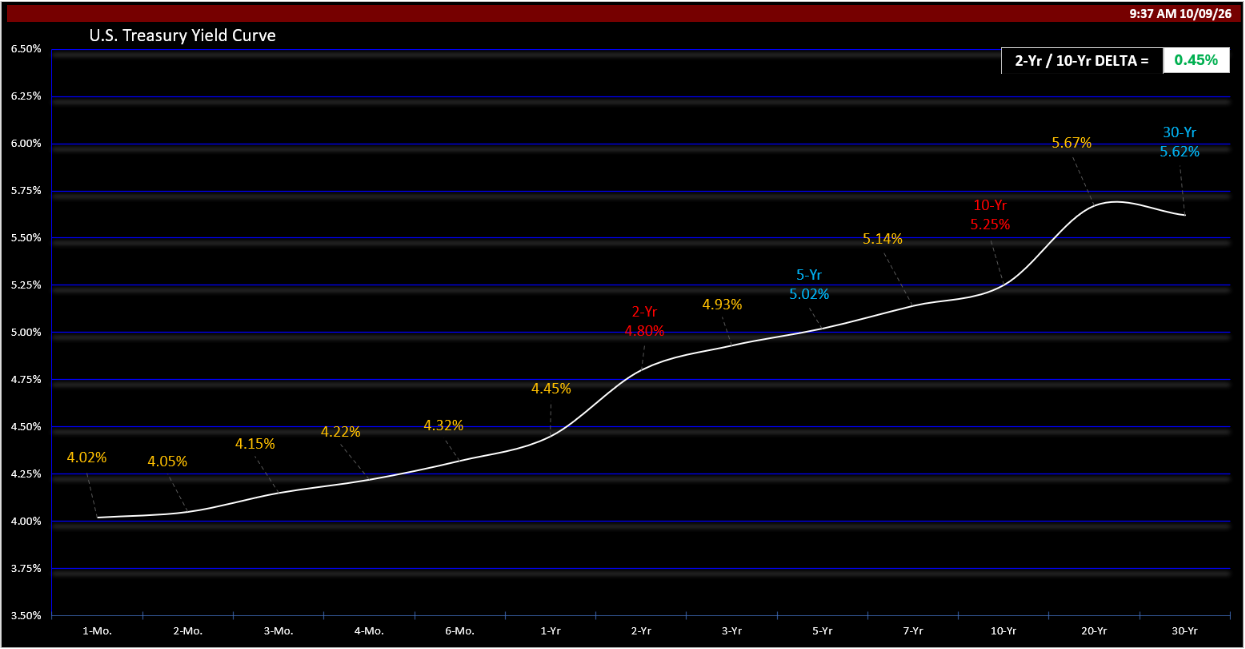
Higher fuel prices may seem far removed from the performance of an apartment building in Portland, Vancouver, or Eugene. But energy costs work their way through the economy—and ultimately into the decisions apartment owners, buyers, and lenders make.
This week’s market commentary from our agency partner, M&T Realty Capital Corp., prompted me to revisit that connection. St. Louis Federal Reserve President Alberto Musalem has indicated that further monetary tightening may be needed to bring inflation back toward the Fed’s target.
For multifamily investors, the practical question is how persistent inflation could affect property expenses, financing, and the assumptions behind the next investment decision.
Energy Costs Reach Beyond the Pump
One inflation pressure I’m watching closely is energy.
The conflict with Iran has disrupted global energy supply, while Ukrainian strikes on Russian refineries have added pressure to refined fuel markets, particularly diesel. The U.S. Energy Information Administration’s October outlook also identifies tight diesel markets as a source of upward pressure on crude oil prices.
Diesel powers much of the freight network that moves goods from manufacturers to businesses and consumers. When transportation becomes more expensive, that pressure can reach building materials, equipment, replacement appliances, and service providers.
For an apartment owner, the impact may show up gradually through maintenance invoices, renovation bids, and contractor pricing rather than as a single fuel expense.
For a developer, those same pressures can affect both the construction budget and the cost of carrying a project through completion.
Lower Oil Prices Would Help—But Inflation Has Other Drivers
Energy is an important part of the inflation picture, but it does not explain all of it.
In his October 8 remarks, Musalem described inflation as being driven by both persistent demand pressures and negative supply shocks. That distinction matters: improved energy supply could provide relief without immediately resolving inflation across the broader economy.
The October 9 announcement of additional Russian diesel supply is a development worth watching. Whether it produces sustained relief will depend on actual deliveries, refinery capacity, and other conditions affecting global supply.
My view is that continued energy disruption makes a quick, durable easing of inflation less certain. I would welcome lower fuel costs, but I would be cautious about building an investment strategy around that outcome.
Apartment Owners Face Two Sources of Pressure
Persistent inflation can affect multifamily investments through both operating expenses and financing.
On the operating side, higher costs can put pressure on net operating income. Even when rental revenue grows, owners may find that repairs, materials, and other expenses absorb part of that increase.
On the financing side, elevated borrowing costs can change the economics of an acquisition or refinance. Depending on the property and loan structure, a buyer may need more equity, receive lower loan proceeds, or accept a lower cash return.
Those pressures can reinforce one another. A property with rising expenses and an approaching loan maturity may require a different strategy from an otherwise similar property with manageable capital needs and longer-term debt.
For owners across Oregon and Washington, this makes current operating information and property-specific financing analysis especially valuable.
Underwrite to Financing Available Today
My approach is to evaluate an investment using the financing available today and then test how the outcome changes under different conditions.
Potential rate relief can improve a future result. It should not be essential to making the initial investment workable.
For an acquisition, that means reviewing:
Cash flow after debt service at current financing terms.
Equity requirements and reserves.
Renovation costs and the timing of projected rent increases.
The effect of higher expenses or a slower business plan.
For an existing owner, it means understanding the next loan maturity, likely refinancing proceeds, and whether additional capital could be required.
The Federal Reserve’s policy rate and a multifamily mortgage rate also do not move in perfect alignment. Treasury yields, lender spreads, leverage, property performance, and borrower strength all influence the final financing terms.
What This Means for Your Next Decision
A challenging financing environment still produces opportunities. The quality of an opportunity depends on its acquisition basis, income, capital requirements, and a business plan that can withstand changing conditions.
For buyers, that may mean revisiting a repriced property or identifying operational upside that does not depend on aggressive rent growth.
For owners considering a sale, it means understanding what today’s buyer pool can finance. For owners planning to hold, it means reviewing future debt requirements before a maturity becomes urgent.
My outlook remains cautious about a rapid decline in inflation and borrowing costs. The most useful response is to make decisions with current information, realistic assumptions, and enough flexibility to adapt.
Considering a sale, refinance, or acquisition?
Christensen Group helps multifamily owners and investors across Oregon and Washington evaluate property performance, market positioning, and transaction strategy.
Request a confidential property review or start a conversation with our team.
Market commentary as of October 9, 2026. This article reflects my perspective and is provided for general information, not financial, tax, or legal advice.
Sources and further reading